Lesson 5
Evidence Set
#1
Excerpt From Pamphlet, Salt
Spring
Island
By Rev. Wilson, 1895
"Some
of the first white settlers intermarried with the Indians, and thus has arisen
quite a little colony of half-breeds."
Photos:

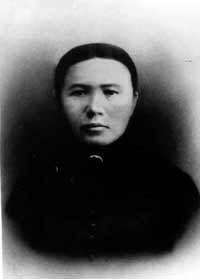
Susannah Trage: 045.jpg |
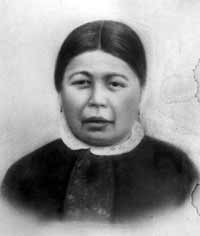
Mary Ann Gyves: 044jpg |
Lucy Sampson: 026.jpg
|
#2
"Salt Spring Island"
The British Colonist, August 23, 1860
The latest news
from this settlement states that it is progressing rapidly
in all the elements of prosperity. Nearly, or quite seventy settlers, reside
on the island. The crops look well. The chief cause of anxiety in that quarter
is a feeling of apprehension that the northern Indians may commit some depredations
on their return to their northern homes. But there is little danger of this,
as one of H.M. gun-boats will cruise around and watch the stealthy movements
of the natives.
#3
"Protection For
Livestock"
The British Colonist, March 27, 1867
Mr. Maxwell, from Salt Spring Island, related a doleful tale of the
state of affairs there. Five years ago he placed on this farm hone hundred and
fifty head of cattle. Since then he has sold only fourteen heard, and today he
counts only the original number that he imported -- the increase having been
systematically slaughtered by Indian and white cattle thieves Mr. Greavy, of Plumper's Pass, told a
similar story in the Police Court the other day. All the settlers on the Islands have suffered in a greater or less
ratio. Protection for stock there is none. Mr. Maxwell says that within the month he has
discovered the remains of five of his finest beeves and that small stock are
shot without number and their carcasses carried away for sale or consumption.
Is there no remedy for this great evil? We may legislate to prevent the
importation of livestock, but how are our farmers to supply the local demand if
this illicit slaughter of their herds is to continue? At present, law is a
mockery on the East Coast. Farmers who have invested their means to live here
are at the mercy of marauding savages or white villain who
.... take a fancy to replenish his .... at the expense of this man who has gone forth to 'subdue the
wilderness', that has lain waste for untold centuries. These men paid
Government for the lands on which they have located and should and must be
protected from the depredations of villains who are, drawing, as it were, the
very life's blood from the agricultural districts. The 'strong arm of the
Government' must make itself felt soon, or there will be terrible work on the
East coast. The settlers have been patient and forbearing for many years; but
they cannot submit any longer to have their farms invaded and their property
wantonly destroyed or carried off to support a pack of fellows too lazy to
work. We are admirers of law and order; but there are times when even the most
law-abiding citizen may be excused if he takes matters into his own hands and
metes out that punishment to evil-doers which the law prescribes, but which its
officers are too weak or inefficient to enforce.
http://web.uvic.ca/history-robinson/archives/newspapers.html
Source:
British Colonist, 27 March 1867.
#4
The
Indian Nuisance at Salt Spring
A
correspondent writes us from Salt Spring Island to state that himself and
family while walking across their their farm a few
days ago, observed a canoe a short distance from shore, from which was
presently fired a gun, the ball whistling unpleasantly near their heads. In
view of this outrage, and the bloody murders that have occurred recently on the
Island, our correspondent thinks the
locality must be abandoned, unless the strong arm of the Government is put
forth and the savages made to feel its weight. These East Coast Indians are
about the worst on the Island. They have been a pestilent
nuisance from its earliest settlement to the present time, and have destroyed
more whites than all the other tribes on the coast put together -- not
excepting the Chilacoatan [sic] nuisance at Bute Inlet in 1864. They defied H.M. ships sent against
them, but were only punished after a stubborn engagement with the gunboat
Forward., five years and a half ago Since ... was administered their open
courage has cowed, and they have resorted to cowardly assassinations to revenge
themselves for fancied wrongs. A reservation for those rascals is needed to
keep them in check.
Source:
British Colonist, 2
March 1869
#5
The British Colonist,
March
13, 1869
...
Were
the Fleet withdrawn, portions of our coast would be rendered uninhabitable.
The Indians could afford to laugh at any force the Local Government might
send against them and from many of the outlying districts we should have settlers
deserting their farms and stock to seek shelter in the more thickly settled
communities from the depredations of the redskins. Even with the present efficient
Naval force on this station, has anyone forgotten
the series of shocking murders and outrages which have lately occurred on
the East Coast of the Island? Were the number of war-vessel stations
reduced, the number of outrages would become perfectly appalling. We hope
that the strictest inquiry will be made at once into the circumstances attendant
upon this last tragedy and that should it appear that the savages have murdered
the passengers and crew, a punishment commensurate with their crime will be
visited upon them.
Source:
British Colonist, 13
March 1869
Newspaper
sources from Ruth Sandwell's
Salt Spring history website: Who Killed
William Robinson?
web.uvic.ca/history-robinson